Edit Content

Contact Information

Feel free to contact us using the information

Need assistance or have questions? Reach out to us today, and our team will be glad to help you!

Head Office Address

No 47, Alexandra Place, Colombo 07 Sri Lanka

Email Address

secretary@slcmdi.lk

Telephone

+94 77 381 5625
About Us

SLCMDI

Sri Lanka Chamber of Medical Devices Industry

The Sri Lanka Chamber of Medical Devices industry is the only recognized body established for the benefit of all manufactures and importers of medical Devices in Sri Lanka.

The chamber acts as a source of information for its members, protects their interests and conveys their collective views to the stakeholders. SLCMDI aims to ensure that the industry is one which is regulated, with equal opportunity and an ethical industry.
SLCMDI conducts workshops and community programs which are beneficial to the members and stakeholders. the mediatory role adopted by the chamber has led to a significant improvement in the quality of its members interactions with the stakeholders.

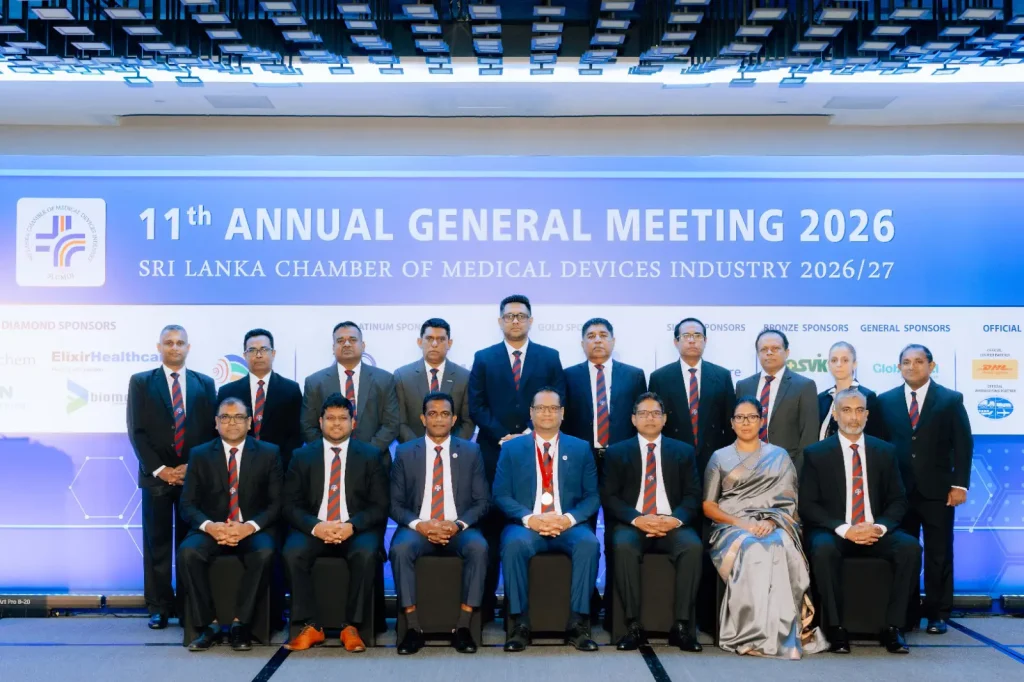
OUR EXCO TEAM

MEMBERS DIRECTORY

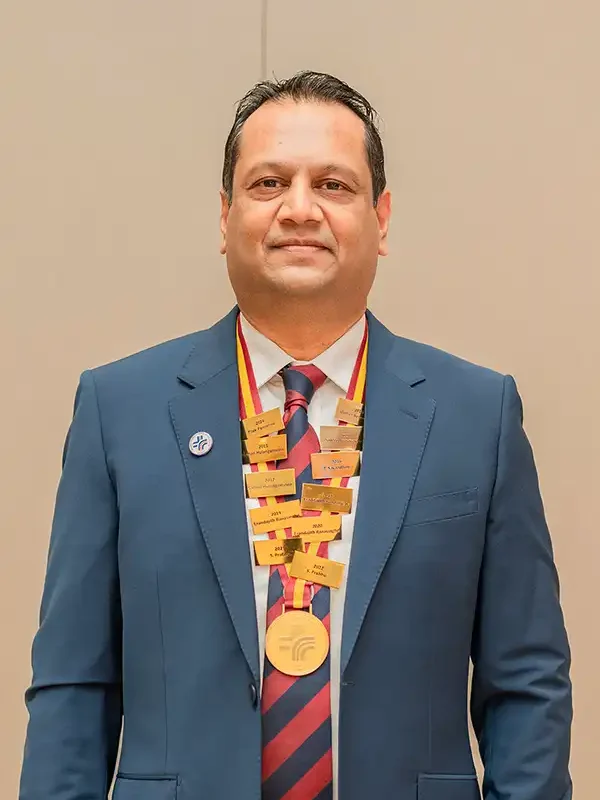
President

Mr. Gehan Seneviratne

Immediate Past President

Mr. Tilak Fernando

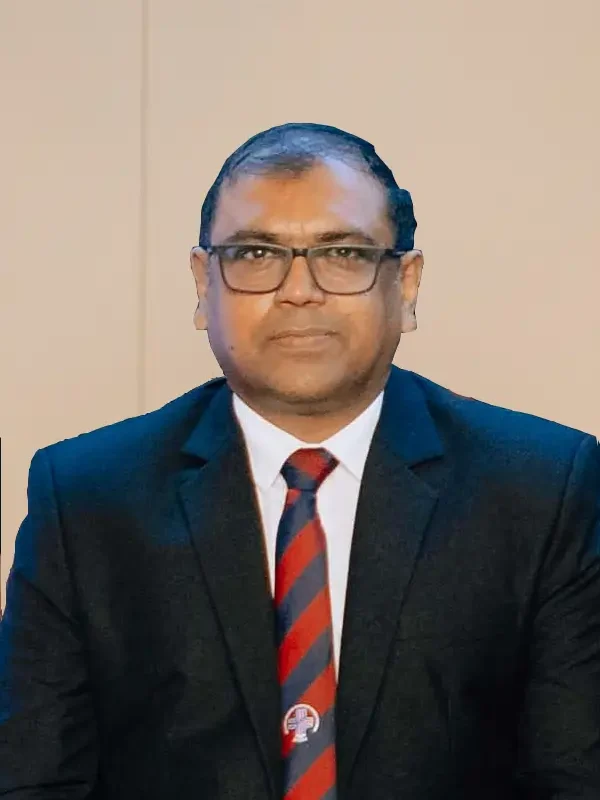
Senior Vice President

Dr. Clive James

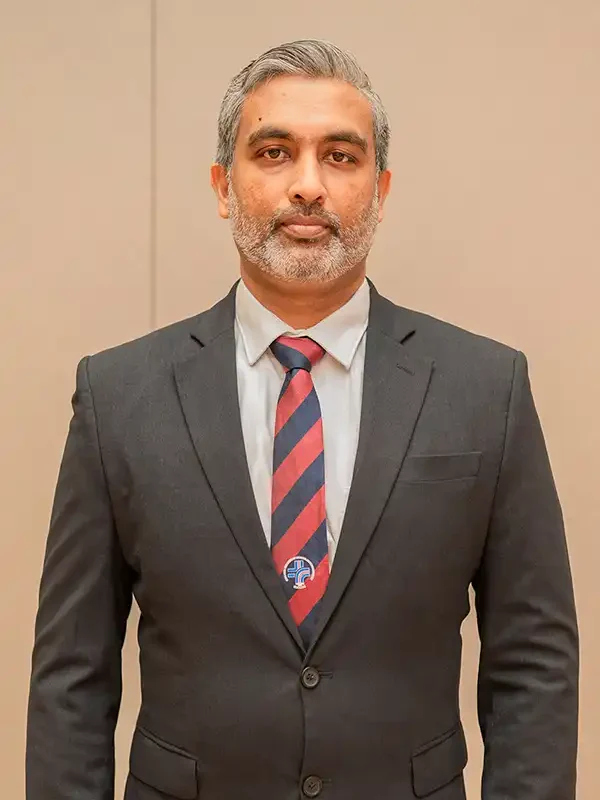
Vice President

Mr. Devin Goonewardena

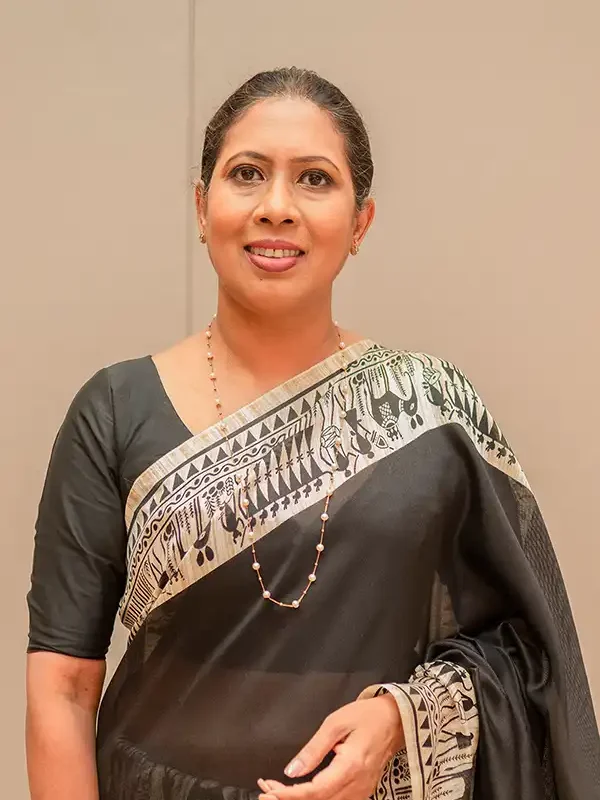
Secretary

Mrs. Rushani Goonethileke

Assistant Secretary

Mr. Wasantha Abeyasinghe

Treasurer

Mr. Thafgir Ammon

Subcommittee

Regulatory Subcommittee

The Regulatory Subcommittee of the Sri Lanka Chamber of Medical Devices Industry actively strengthened collaboration with regulatory authorities in 2025/26, despite leadership changes. Key objectives included addressing regulatory challenges with the National Medicines Regulatory Authority (NMRA) for a transparent and patient-focused environment.

The Subcommittee engaged in policy advocacy by submitting proposals on device classification, registration timelines, and expedited pathways for critical healthcare access. Workshops facilitated by NMRA aimed to share best practices among medical device companies.

A significant focus was on harmonizing local regulations with international stanards, participating in stakeholder consultations on digital initiatives and online submission systems. The Subcommittee addressed operational challenges by working with NMRA and Sri Lanka Customs to resolve clearance delays.

Achievements included improved dialogue between the industry and NMRA, regulatory update bulletins for members, and efforts to enhance submission quality and reduce bottlenecks. The Subcommittee is dedicated to fostering collaboration and supporting the growth of Sri Lanka’s medical devices industry.

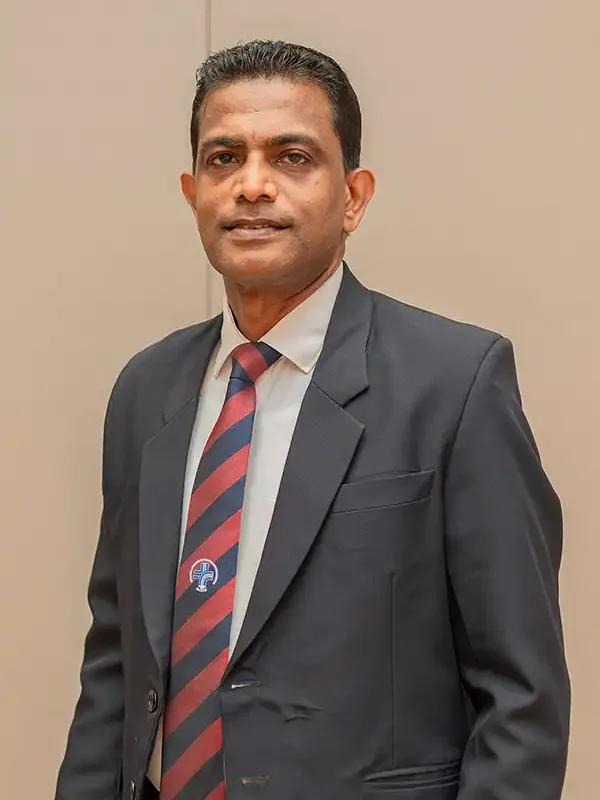
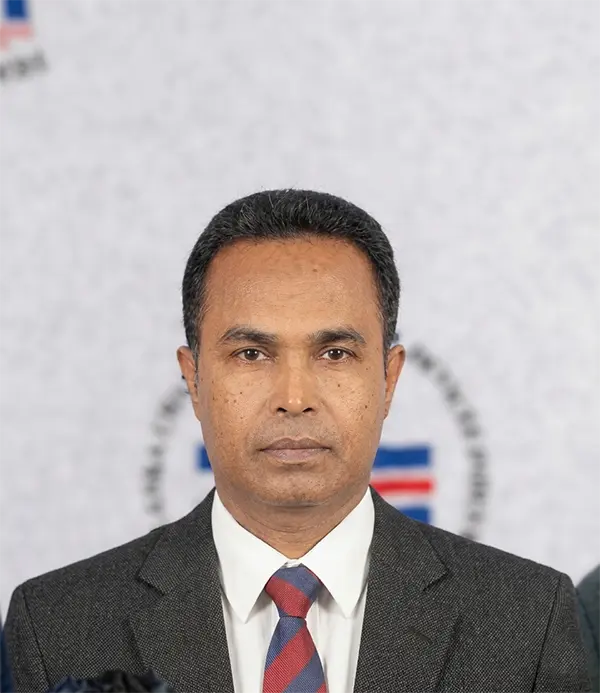
Jagath Silva

Subcommittee

BME Subcommittee

The Biomedical Engineering Subcommittee serves as a technical advisory body within the Chamber of Medical Devices, focusing on the advancement, regulation, and application of biomedical technologies in Sri Lanka’s healthcare sector.

Its core functions include
  1. Technical Expertise and Guidance
  2. Support for Regulatory Affairs
  3. Capacity Building and Training
  4. Innovation and Technology Promotion
  5. Ethical and Sustainable Practices

The Biomedical Engineering Subcommittee plays a vital role in bridging the gap between technology and healthcare delivery, ensuring that medical devices in Sri Lanka meet high standards of safety, effectiveness, and sustainability

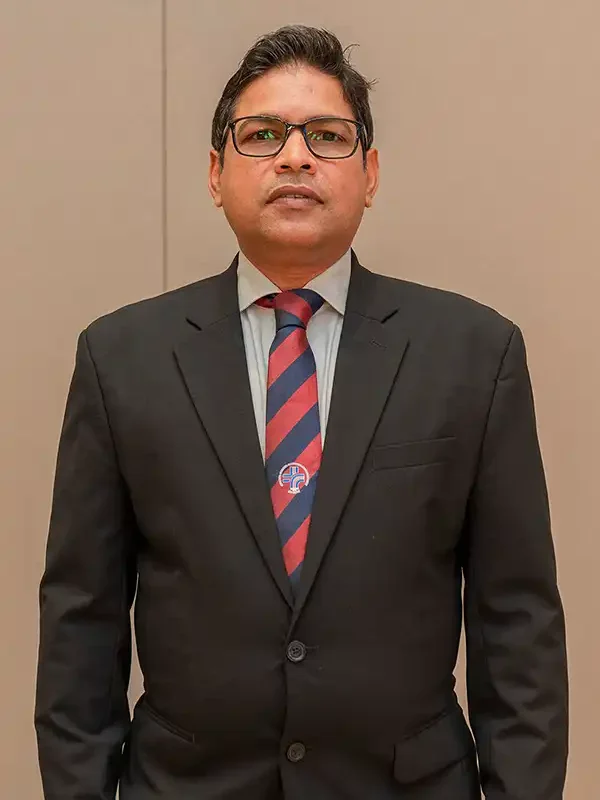
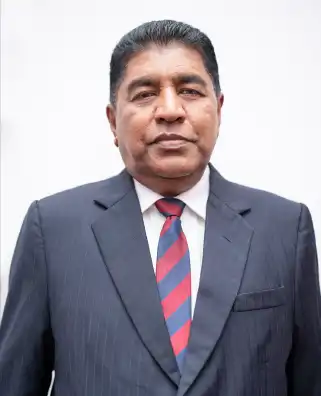
K.V. Chandrakumar

Subcommittee

Membership and Ethics Subcommittee

The Chamber extends its sincere appreciation to all active members for their continued support, cooperation, and understanding.

Membership is open to organizations that meet stringent criteria, ensuring the highest standards of professionalism and ethical business conduct. Members are regularly monitored to uphold integrity within the marketplace.

The Chamber operates through several sub-committees dedicated to supporting member organizations and fostering collaboration.

In line with our commitment to continuous development, staff training workshops have been initiated to enhance productivity. Future initiatives will include workshops on Artificial Intelligence (AI) to strengthen marketing capabilities, improve stakeholder engagement, and enhance overall organizational performance.

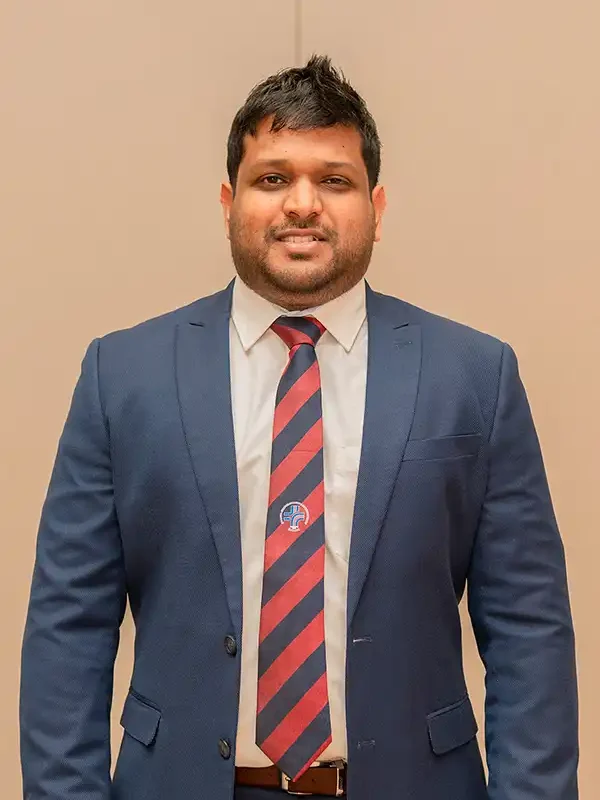
Ebinzer John

Subcommittee

Customs and Finance Subcommittee

Report of the Customs & Finance Committee 2025/26
The Customs & Finance Committee worked diligently to achieve its three key objectives:

  1. Create wide interaction with key stakeholders:
  2. Mediate and resolve member company issues and industry concerns:
  3. Mediate and initiate knowledge-sharing workshops
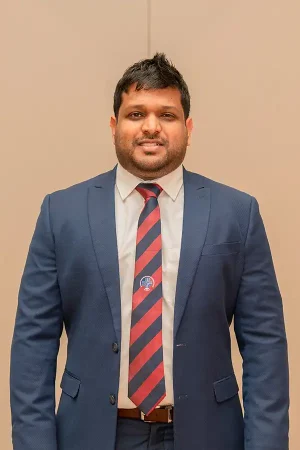
Devin-Goonewardena
Devin Goonewardena
+
Key Highlights of the Year

The committee collaborated with the Ministry of Finance on:

  • Ministry of Finance

The committee engaged with the Ministry of Finance on :

  1. Fiscal policies concerning the industry and regulations pertaining to medical devices.
    Result: Amendments to import procedures were enacted.
  2. Cost and time savings for importers, although changes in fiscal policy are still pending due to the Ministry’s stringent economic policies.


  • Sri Lanka Customs (SLC)

Key achievements include:

  1. Policy relaxation for importing spare parts for medical devices.
  2. Successful quarterly meetings with the participation of the NMRA. Development of a streamlined customs clearance process that resulted in reduced delays and improved efficiency for stakeholders.

The committee focused on knowledge-sharing through well-received workshops and seminars that covered topics such as regulatory updates and implications, compliance and risk management best practices, and innovations in medical device technology. Stakeholder engagement was enhanced through regular dialogue with industry leaders and policymakers, as well as feedback mechanisms aimed at improving customs and fiscal policies. Throughout the year, significant progress was made in aligning industry practices with government policies, which improved the operational landscape for all parties involved.

Subcommittee

PR Subcommittee

In terms of member representation, government relations, and advocacy communication, the Public Relations (PR) Subcommittee is crucial. PR is a crucial function because the Chamber presents itself as the “collective voice” of the industry.

The PR department is focusing on several key areas to enhance essential functions:

Plans for subcommittee development include:
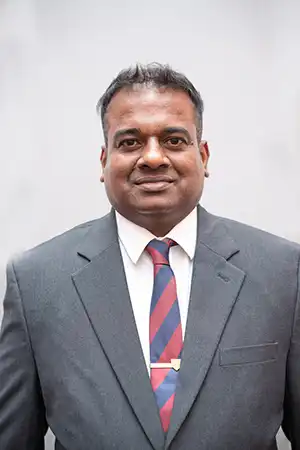
Ranga Jayakody

Subcommittee

Supplier Subcommittee

This year, the focus was on collaborating with the State Pharmaceuticals Corporation of Sri Lanka (SPC) and the Medical Supplies Division (MSD) to address supply chain issues affecting medical device availability. The committee collected feedback from member companies regarding procurement procedures and delivery challenges, communicating this to authorities to improve transparency and efficiency in the procurement process.

In 2026, the committee engaged with the Asian Development Bank to revise procurement guidelines for Pharmaceuticals and Medical Devices. Key developments include:

  • Authorities, including the Ministry of Health, acknowledged the need for separate procurement guidelines for Medical Devices, potentially the first of its kind.

  • Suggestions from member companies were communicated to the Asian Development Bank for consideration in the new guidelines.

  • Continuous engagement with the SPC Chairman has improved the procurement process and regularized payment for supplies, which is prompt if funds are available.

  • A workshop was held to educate member companies on the bidding process and address misconceptions, facilitated by the Chamber.

  • A productive meeting with the Additional Secretary for Procurement at the Ministry of Health was held, and its minutes were shared with members.

The SPC and Supply Sub Committee aimed to enhance communication between the industry and public healthcare in Sri Lanka, promoting collaboration for a sustainable supply of medical devices to government hospitals. In 2025/26, they improved dialogue with government institutions, tackled procurement challenges, and ensured the continuous availability of essential medical technologies. The chamber plans to continue engaging with stakeholders to boost procurement and supply chain efficiency.

Industry Edge

-- Leaders corner --
industry-edge

Drawing from your deep expertise in credit operations, what are the most common and critical mistakes you see mid to large-sized companies making regarding their general credit and receivables management?

The most critical mistake is the disconnect between the sales team and the credit reality. Sales teams often push to dump stock into the market just to meet their top-line targets, without properly assessing the customer’s actual credibility or business model. Another major failure is not categorizing debtors. Companies look at a lump sum of arrears without breaking it down. You must segment your debtors: those with zero arrears, those delayed by 2-3 months, and your “hardcore” defaulters. Once segmented, you must have the discipline to immediately stop supplying to the hardcore defaulters and apply specific recovery strategies for the rest.

A specific challenge in our industry is the heavy reliance on government healthcare tenders (such as through the SPC and MSD), which frequently result in massive payment delays. How should a company structure its working capital to survive extended state receivable cycles without crippling daily operations?

The biggest oversight here is ignoring the “Time Value of Money.” If you know government supplies take 8 to 12 months to settle, you absolutely must factor that holding cost into your initial tender pricing. You cannot price a tender assuming prompt payment. Furthermore, you must structure a cash buffer that independently covers your fixed overheads and debt servicing obligations for that entire duration.

From the perspective of a seasoned financial executive and bank board member, what exactly do financial institutions look for today when evaluating funding applications from specialized businesses?

Banks no longer lend based purely on legacy or personal relationships. Today, we look strictly at your cash-flow-generating capacity and your Corporate Governance structure. Banks want to see if you have a buffer to absorb economic shocks. More importantly, we look for a structured, professional setup rather than a “one-man show.” We specifically look for the “Three Lines of Defense” within your company: front-line operational management, a dedicated risk and compliance function, and an independent internal/external audit function.